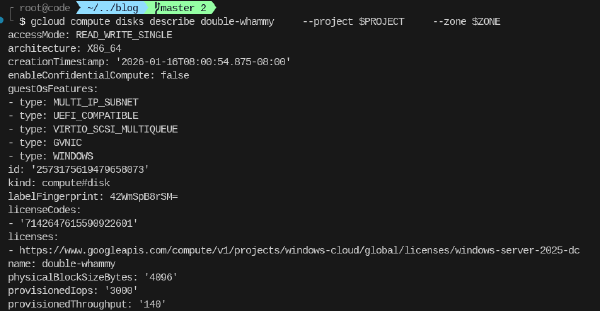
When deploying a VM running certain operating systems such as Windows Server, a license is added to the boot disk of that instance. This license is used for billing PAYG licensing.
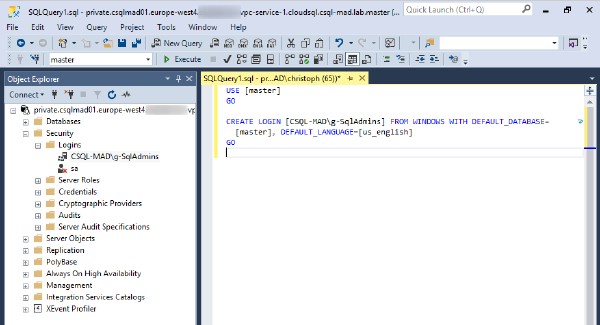
One of the most requested features from customers that deploy Cloud SQL for SQL Server (Cloud SQL) has been Active Directory integration which was released last year. Since then Google Cloud has added cross-project capability which allows you to connect your Cloud SQL instance into a project that is different than the one hosting Managed Microsoft AD (Managed AD).
Sole-tenant nodes are being used by customers for workload isolation and also for licensing compliance (e.g. bringing Window Server licenses). Throughout the life cycle of a sole-tenant node there might be the necessity of moving virtual machines to another node group or even to another machine family (e.g. moving to N2 from N1). Refer to the documentation, to learn more about Node affinity and anti-affinity options.
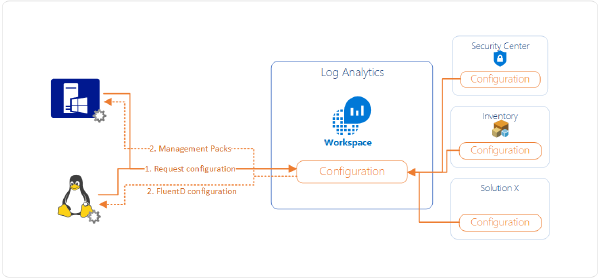
I’ve had a question today coming from a colleague that has no prior experience in System Center Operations Manager (SCOM). He wanted to know how data flows from connected agents (regardless of Windows or Linux) to Log Analytics and subsequently to Azure Security Center.
Almost all Azure management services run in/for any cloud. Among them is Update Management which automates OS patching for both Linux and Windows machines whether they are running on-premises, in Azure or in other clouds.